Discarnate Attachment, Client-Centered Intervention, and Clinical Parapsychology
Mark J. Maluga, PhD
Roosevelt University
This discussion examines how mental health counselors can support clients whose mental health symptoms do not fit conventional psychological causes or diagnostic categories, but can be better understood through the broader lens of parapsychological experience. Within this lens, spirit or discarnate attachment represents one culturally and experientially grounded framework for understanding anomalous distress. The controversial and debatable existence of spirit or discarnate attachment will be explored.
Because there is no universal clinical model for addressing discarnate attachment or other anomalous experiences, this discussion proposes an integration of mainstream cognitive and trauma‑informed interventions with a nonjudgmental, phenomenologically neutral stance. An integrative model that is nonjudgmental and neutral can support the experiencer while also differentially assessing for possible psychopathology.
The discussion incorporates information from graduate counseling student–led blind interviews of a well‑known medium, a parapsychological experiencer who endured an ongoing traumatic haunting, and details from the writings/programs of two Vatican‑authorized exorcists (one who is also a psychologist). Fascination with and stigma surrounding parapsychological ideas and phenomena eclipse the reality that many experiencers are traumatized by their anomalous experiences. This eclipse impedes the development of a mainstream clinical, integrative model for these specific and all experiencers. Affirming and clinically supporting the experiencer’s subjective reality is essential; the goal is therapeutic, not proving whether their anomalous experiences literally occurred. More specifically, what specific clinical options do mental health clinicians have to assess and treat discarnate or spirit attachment?
This discussion also contemplates the goal of Alex Tanous to bridge parapsychology with clinical services into clinical parapsychology. Tanous encouraged an approach that combined open‑minded investigation with compassionate understanding of the experiencer.
References
American Psychiatric Association. (2022). Diagnostic and statistical manual of mental disorders (5th ed., text rev.). https://doi.org/10.1176/appi.books.9780890425787
Amorth, G. (2016). An exorcist explains the demonic: The antichrist, Satan, demons, and exorcism. Sophia Institute Press.
Blai, A. (2022). The exorcism files: True stories of demonic possession. Sophia Institute Press.
Cartagena-Collazo, J. L. (2020). Clinical parapsychology: Scientific techniques to remove spiritual entities. Independently published.
Fiore, E. (1987). The unquiet dead: A psychologist treats spirit possession. Ballantine Books.
Gallagher, R. (2016). Demonic foes: My twenty-five years as a psychiatrist investigating possessions, diabolic attacks, and the paranormal. HarperOne.
Harker, J. (2024). When demons attack: The latest cases of spiritual assault. Independently published.
James, W. (1902). The varieties of religious experience: A study in human nature. Longmans, Green, and Co.
Parnell, L. (2017). Releasing what isn’t yours: A trauma therapist’s guide to energy and attachment. Sounds True.
Rossetti, S. J. (2021). Diary of an American exorcist: Demons, possession, and modern-day miracles. Sophia Institute Press.
Sanderson, A. (2014). Spirit release in clinical psychiatry. Advances in Psychiatric Treatment, 20(3), 198–205.
Sersch, M. J. (2019). Demons on the couch: Spirit possession, exorcisms and the DSM-5. Cambridge Scholars Publishing.
Tilley, R. (2023). Christian exorcism, spiritism, and parapsychology: An overview. Australian Journal of Parapsychology, 23(1), 73–80.
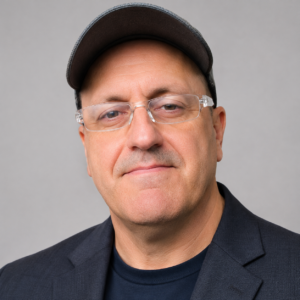
Mark Maluga
Clinician | Professor
Bio
Dr. Maluga is clinician working with Spring Health and in private and group practice. He is also a professor in the Clinical Mental Health Counseling Program at Roosevelt University. Dr. Maluga completed a BA degree at Northern IL University, an MA in Counseling at DePaul University, and Clinical Psychology doctoral program at Fielding Graduate University. As part of his doctoral studies, Dr. Maluga completed the summer research program at the Rhine Research Center / Institute for Parapsychology. He has also studied mediumship at the Chesterfield Spirituality Seminary in Chesterfield, Indiana.